

Intentional Transformation.
- Shelton Mudzikitiri

- Apr 23, 2021
- 5 min read
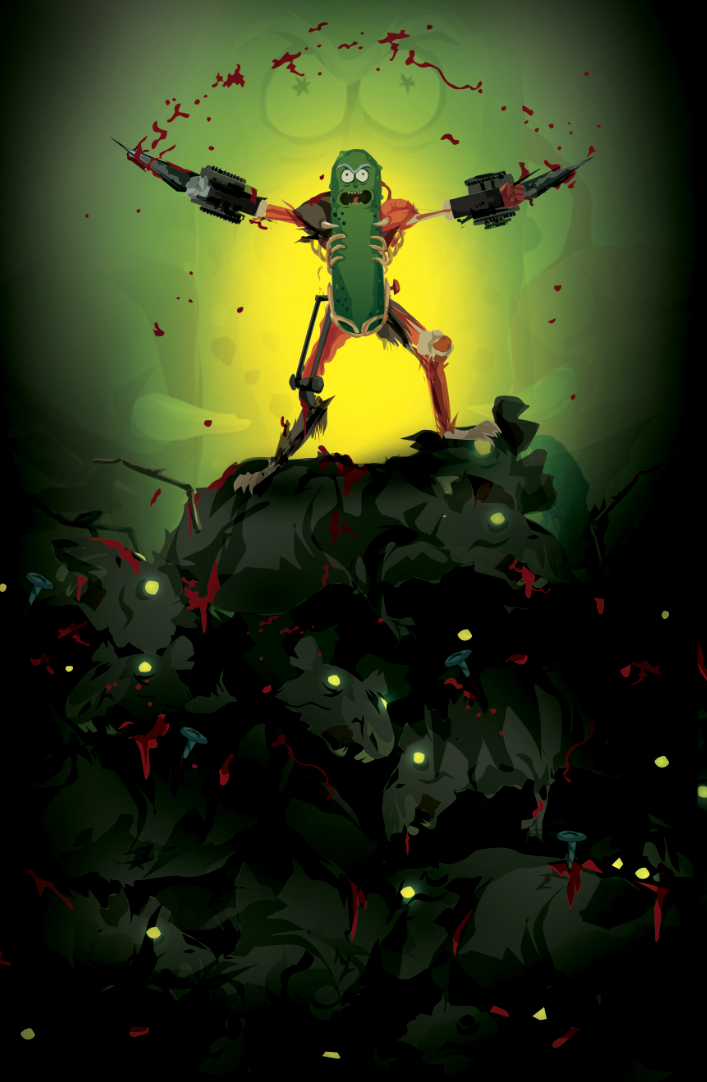
We all have been through a major transformation, be it biological, physical, mental, emotional and so forth. By definition, transformation is an ‘extreme, radical change.’ The fool in me is whispering, ‘transformation is change that went to a private school.’ Today I am writing about intentional transformation, what? You ask. Hold on. Intention by definition is a mental state that represents a commitment to carrying out an action or actions in the future. Intention on its own is useless! I intend to stay fit, but if I don’t go to the gym or work out, I remain as I am if not worse. Here I want us-you and I, to transform our lives, I know it’s a big ask but go hard or go home, right? In the following weeks, months, years, I don’t know, whenever I get the will to write, we are going to commit to values that make us a better people, and actions that lead us to where we want to go.
We are often told, 'go with your gut.' Our intentions are pure when we quip such advice to our friends, however, this is dangerous advice. I have made some disastrous decisions following my gut, looking back with slightly learned eyes, I have learnt that we all have inherent biases that we are often not aware of, our guts are biased. One of the most dangerous mental blind spots that I had in business and life, in general; is overconfidence bias. I followed my gut in a street fight and almost got cut with a cracked bottle. I followed my gut when I bought into a company that went down 30% in 2 days. I followed my gut many-a-times when I chose not to study for a test, we can all attest to the instant regret that comes as soon as you open that question paper. In the end I believed that my gut was always right, and I wasn’t prone to dangerous judgement errors. Oh, Shelton, have you forgotten, “Pride goeth before destruction, and an haughty spirit before a fall?”
One of my many traits is optimism. It’s a potent trait to have; I mean if I don’t believe in myself who will, right? In my optimism, I often look at life through rose-coloured glasses, which harms my ability to make effective decisions. I tend to overvalue my skills, knowledge, ability and importance in people’s lives. Gut reactions cause us to behave in ways that feel comfortable, but are often very dangerous for us. Our gut reactions were useful in our primal state- the hunting and gathering period, not so much in this incredibly complex, multicultural world we live in today. We need to avoid the temptation of going with what’s comfortable and assuming that what feels right is what’s actually good for us. But Shelton, if we don’t follow our guts how do we make decisions? This is where intentional transformation comes in; intentionally plan out your goals and choose and follow through with behaviours and habits that get you to your destination. If some behaviours feel foreign or hard to do; intentionally go further than what feels intuitive to you to accomplish your goals. I have learnt that what feels most comfortable is often exactly the wrong thing for us to do. In our technologically disrupted environment, the future is never going to be like today. We have to adapt constantly to an ever-increasing and changing environment to ensure the success of our businesses, our careers and our personal lives. That ever-intensifying pace of change means our gut reactions – which are suited for the ancient hunting and gathering environment – will be less and less suited in the future, and relying on them will lead us to crash and burn.
Making decisions is hard. The truth in life is that we all make choices we end up regretting. It’s called failure, and failure can be a good thing because it teaches us how to be better. But as we grow older, our goal should be to minimize the number of failures that lead to regret. The question becomes how then do we make good decisions? Simple answer: I do not know, if I did, I wouldn’t be writing this blog at 3 am instead of studying, but what I have learnt about good decision making is this; Good decision making has surprisingly little to do with the moment of decision. At that point, it's too late. Your brain makes choices rapidly and automatically based on experience, ever heard of the thinking brain and automatic brain? By choosing intentional transformation we are using the thinking brain. Good decision making is determined by what you have learned before the moment of decision; question your assumptions and verify them. If you don’t make the choice consciously you end up defaulting to the worst possible choice. You’re a creative being and every choice you make ushers a future you have to live in.
Changing your world requires a shift in thinking, let us become intentional in our endeavours. Above and beyond being intentional let us put in the work so we can attain whatever it is we want, remember, the smallest deed is greater than the biggest intention. Intentionally choose your thoughts for they are the very foundation on which choice is formed. May we be intentional when it comes to our vision, hope, discipline, growth, change, success, significance, legacy, friendships and relationships. Why did I use intentional transformation and not change? I ran into a quote by Amir Ghannad which said, “Change starts with ‘what is’ and attempts to keep what is working intact and eliminate what is not, transformation simply starts with ‘nothing’ and is led by a vision of the whole as if it were to be created from scratch today." The former views today as an extension of yesterday and tries to make the most of what is. The latter sees today as the beginning of tomorrow and shapes today’s circumstances as a solid foundation for what will be. This is very self-explanatory.
It is, fortunately, true that we are always one decision away from a totally different life, so why not intentionally make good decisions? Why do as the common man does? Let us intentionally make choices to transform into who we want to become, I know decisions are hard, now more than ever we are faced with hundreds of daily choices and more often than not, the paradox of choice. May we not give up our choices for, when we give up the desire to make a decision — when we choose indecision — then we are no longer the cause within our own lives, but the effect. We no longer determine our own fate, instead we hand it off to others around us. And while this may make us feel comfortable in the short-term — to be able to say, “See, it’s not my fault things didn’t work out, and X, Y, and Z happened!” — it will utterly destroy us in the long-term. Intentionally make decisions. Choose your own life. Live with the risks because the risks are what make it meaningful.
Adiös Amigo. Remember; my name is Shelton, and I am your friend.


Hmmmm informatitive, impressive read.